
AO 89, filled in online.
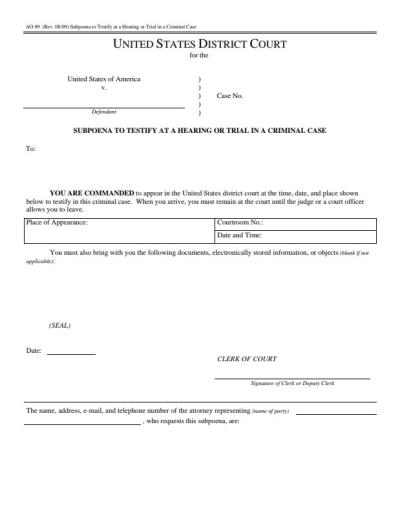
Subpoena to Testify at a Hearing or Trial in a Criminal Case
Type in the panel and watch each answer land on the page. Filling in and signing is free; downloading needs a free account, which includes 5 downloads a month.
Or fill it another way:
- Category
- Legal
- Fillable fields
- 33
- Pages
- 2
- Paper size
- US Letter, 8.5 × 11 in
Five ways to fill this form.
-
Fill it in here
Type in the panel and watch it land on the form. Sign it, then download.
Free to fill and sign Start filling -
Many at once, from a spreadsheet
One row per person, one finished PDF for each.
Paid plan · you can walk through it Start with a spreadsheet -
Send it to someone to fill in
Email a link. They fill it in without an account and you get the answers back.
Paid plan · you can walk through it Send a request -
From your own software
Fill it over the API. One request returns the finished PDF.
Paid plan -
Let an AI assistant do it
Connect ChatGPT or Claude once, then describe what goes on the form.
With a free account
What is this form?
AO 89 is the federal criminal subpoena form used to command a witness to appear and testify at a hearing or trial in a criminal case. It captures the court caption, witness details, hearing location, production instructions, and proof of service in the format required for criminal process. On PDFengine, this template is presented as a fillable PDF that keeps the official government layout while making the document easier to complete, review, and store digitally.
That matters because AO 89 is rarely a standalone note. It usually sits inside a larger court, immigration, or veterans-benefits workflow where names, dates, classification choices, provider details, monetary figures, and signatures must line up with supporting evidence. Using the mapped AcroForm fields reduces retyping, makes internal review easier, and helps produce a cleaner final PDF for filing or recordkeeping.
In practice, many people do not complete this kind of form in one sitting. They gather identifiers first, then confirm facts against notices, agency letters, medical records, court papers, or employer documents. A structured fillable PDF makes that workflow easier because the same draft can be reviewed, corrected, saved, and reused without changing the official layout that the receiving agency expects.
That is also useful when the person completing the form is not the only reviewer. A lawyer, paralegal, HR manager, veteran service officer, family member, or translator may all need to check the same draft before it is submitted. Keeping the official format intact reduces confusion and makes it easier to compare each answer with the rest of the supporting file.
Who needs to fill this out?
- Criminal litigators preparing a witness subpoena for a federal hearing or trial
- Court staff or litigants reviewing the official criminal subpoena format
- Process servers who need a clean version with service and attendance details
- Legal teams checking dates, witness identity, and courtroom information before service
- International users, advisers, or back-office teams who need a clean English-language copy of the official AO 89 before filing
Where and how to submit
Issue and serve the subpoena according to the Federal Rules of Criminal Procedure and any local court requirements. Keep the final PDF with proof of service, witness fee documentation when applicable, and the scheduling materials for the hearing or trial, because enforceability depends on correct service and accurate case details.
Even when the form is prepared outside the United States, it remains a U.S. federal document. Keep the English names, official identifiers, and dates exactly as they appear in the source records, and preserve the finished PDF together with the rest of the filing package so later reviews, follow-up requests, or amendments can trace the original submission cleanly.
It is also smart to keep a working copy before filing and a final copy after filing. That makes it easier to answer follow-up questions, compare agency notices against the original submission, and prove later which version of the form was actually sent.
How to fill it out
- Step 1 — Confirm the filing context: Start with District Information and confirm you are working on the correct case, claim, petition, or benefits request before entering data.
- Step 2 — Complete identifying details: Fill fields such as Defendant with the exact names, numbers, and identifiers shown in the underlying records.
- Step 3 — Add the main party or benefit details: Use entries like Case Num and Subpoena To to capture the core facts of AO 89. Match the wording to source documents instead of paraphrasing.
- Step 4 — Review selection fields and classifications: Check boxes or structured fields such as Testimony Place carefully so the selected filing basis, case status, or benefit category is consistent with the packet.
- Step 5 — Finish narrative or supporting entries: If the form includes a text or explanation field such as Testimony Courtroom, use it to clarify dates, providers, counts, conditions, or other facts that support the filing.
- Step 6 — Validate before submission: Compare the final PDF with supporting letters, evidence, notices, identity records, and payment details so the official form matches the rest of the file before it is sent.
Frequently asked questions
Is AO 89 used in civil cases?
No. AO 89 is the criminal-case subpoena form. Civil subpoenas use different AO forms.
Why does service information matter?
Because a subpoena is only enforceable if it is served correctly and the record shows when and how service happened.
Can the form be issued in blank?
Some courts provide issued-in-blank versions, but the final subpoena still has to be completed accurately for the specific witness and proceeding.
Does the form itself guarantee witness attendance?
No. It creates the legal command, but proper service and compliance steps still matter.
Should the hearing details be verified before service?
Yes. Date, time, courtroom, and caption errors can make a subpoena unusable or misleading.
Should I keep a copy before filing?
Yes. A saved pre-filing copy and a final filed copy make later review, corrections, and follow-up questions much easier.
Can I create AO 89 in bulk?
Yes. PDFengine supports bulk generation of AO 89 via Excel or CSV upload — upload a spreadsheet with one row per form and PDFengine generates all PDFs at once. You can also automate bulk creation programmatically via the PDFengine API.
Ready to fill it in?
Fill in this formMore forms in this category
-
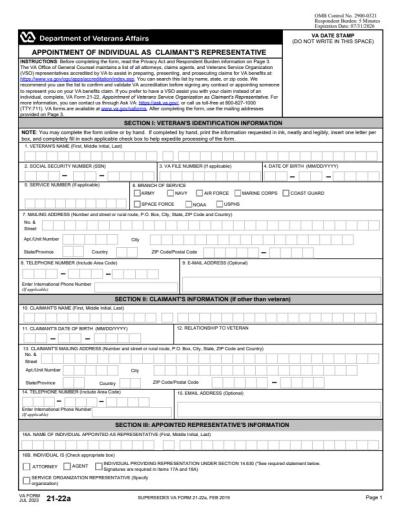 VA Form 21-22a — Appointment of Individual as Claimant's RepresentativeOfficial VA form used to appoint an individual representative such as an attorney, agent,...
-
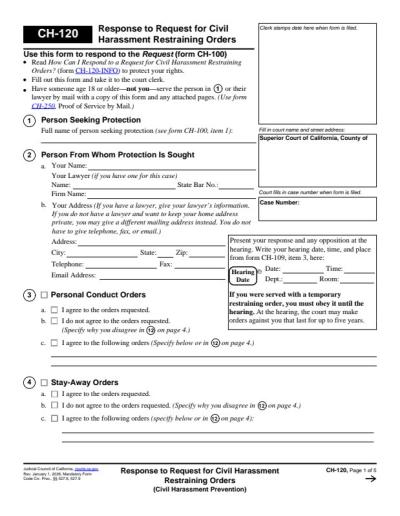 CH-120 Response to Request for Civil Harassment Restraining OrdersCH-120 Response to Request for Civil Harassment Restraining Orders is the official fillabl...
-
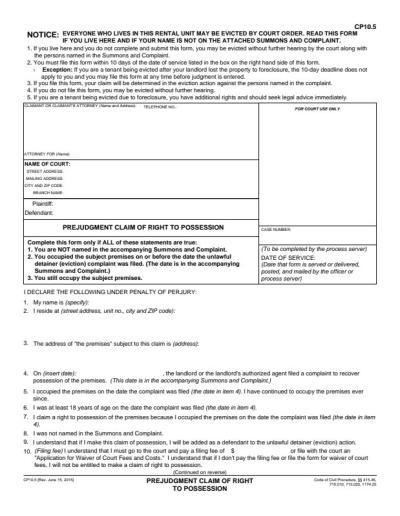 CP10.5 Prejudgment Claim of Right to PossessionCP10.5 Prejudgment Claim of Right to Possession is the official fillable form from Judicia...
-
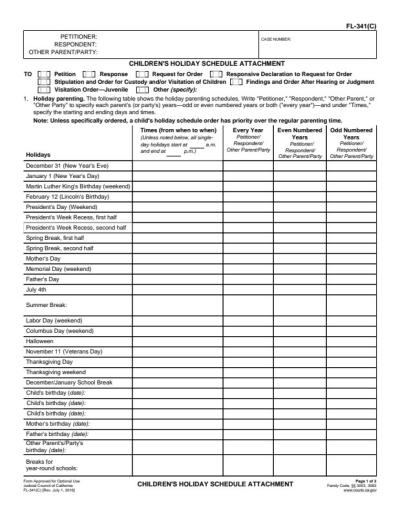 FL-341(C) Children's Holiday Schedule AttachmentFL-341(C) Children's Holiday Schedule Attachment is the official fillable form from Judici...